All Concerning Sugar Beet Vs Sugar Cane: Which One Uses Greater Benefits and Makes Use Of?
The contrast in between sugar beet and sugar cane offers a nuanced expedition of their respective advantages and applications. Each plant has distinct nutritional accounts and growing conditions that affect their usage in numerous markets. As customer choices change in the direction of healthier alternatives, the importance of these two sources of sugar becomes significantly substantial. Recognizing their differences could disclose insights right into which may eventually serve far better in an altering market landscape. What elements will shape this continuous discussion?
Review of Sugar Beet and Sugar Cane
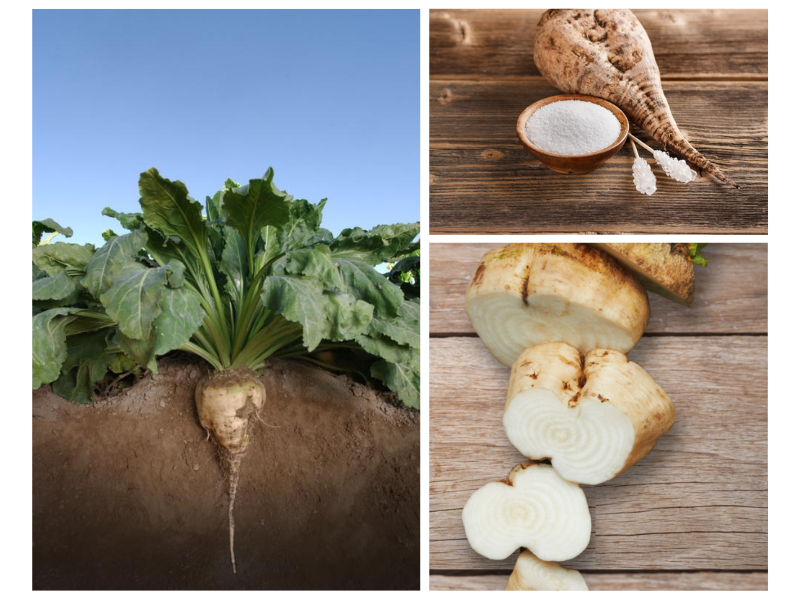
Sugar beet and sugar cane are 2 key sources of sugar, each with unique features and advantages. Sugar beet, an origin crop mainly grown in temperate environments, is recognized for its high sucrose material, which can range from 15% to 20%. This plant is normally refined right into granulated sugar, molasses, and various other byproducts. Its cultivation enables for a shorter expanding period and much less dependancy on tropical environments.
On the other hand, sugar cane thrives in warmer, exotic regions and is often pertained to for its coarse stalks, which can yield 10% to 15% sucrose. The handling of sugar cane not just produces sugar but likewise results in products like rum and ethanol, making it versatile. Both plants contribute considerably to the worldwide sugar market, with their one-of-a-kind expanding conditions and handling methods affecting their agricultural and economic importance. Inevitably, the selection in between sugar beet and sugar cane usually relies on regional climates and market demands.
Nutritional Profiles: Sugar Beet Vs Sugar Cane
The nutritional accounts of sugar beet and sugar cane expose substantial distinctions in their nutrient structures. Sugar beet often tends to use a higher concentration of minerals and vitamins, while sugar cane largely gives energy in the type of carbohydrates. In addition, the glycemic index of these 2 resources varies, impacting their impacts on blood sugar levels.
Nutrient Make-up Comparison
When contrasting the nutrient structure of sugar beet and sugar cane, distinct distinctions emerge that can influence nutritional options. Sugar beetroots are recognized for their higher fiber web content, giving about 2 grams of fiber per 100 grams, while sugar cane has minimal fiber (Sugar beet vs sugar cane). Concerning vitamins, sugar beets offer a variety of B vitamins, specifically folate, which supports mobile health, whereas sugar cane includes fewer vitamins in general. Additionally, sugar beetroots flaunt a higher mineral content, including potassium and magnesium, crucial for various bodily functions. Sugar cane mainly gives carbs, particularly sucrose, but does not have the nutrient density located in sugar beets. These distinctions highlight the nutritional advantages of sugar beets compared to sugar cane in a well balanced diet plan
Glycemic Index Distinctions
How do sugar beets and sugar cane vary in their glycemic index, and what effects does this have for individuals checking their blood sugar level degrees? Sugar beetroots generally have a lower glycemic index (GI) compared to sugar cane, which suggests they trigger a slower and more gradual increase in blood sugar levels. This distinction is specifically crucial for individuals with diabetes or those concerned concerning blood sugar monitoring. A lower GI food can assist maintain steadier energy degrees and reduce the threat of insulin spikes. While both resources are mainly composed of sucrose, the differing fiber and nutrient material in sugar beetroots might add to their lower GI, making them a potentially better alternative for health-conscious consumers.
Expanding Problems and Geographic Circulation
Although both sugar beet and sugar cane work as important sources of sugar, their growing conditions and geographical circulation vary substantially. Sugar cane grows in tropical and subtropical climates, requiring cozy temperatures, plentiful sunlight, and significant rainfall. It is mostly grown in countries such as Brazil, India, and China, where these ecological elements are suitable. Sugar beet vs sugar cane. In comparison, sugar beet chooses warm climates, growing in cooler regions with well-drained dirt. Major manufacturers of sugar beet consist of the United States, Russia, and numerous European countries, where the expanding period aligns with cooler temperatures
The distinctions in climate demands result in differing cultivation methods; sugar cane is frequently expanded as a seasonal plant, while sugar beet is commonly grown each year. This geographical distinction not just affects local important link farming economic climates however likewise forms local practices related to sugar production and handling. Recognizing these elements is important for assessing the benefits and applications of each resource.
Environmental Impact of Sugar Beet and Sugar Cane Production
While both sugar beet and sugar cane contribute substantially to worldwide sugar production, their environmental effects differ considerably. Sugar cane farming frequently demands large stretches of land and water, causing deforestation and habitat loss in some areas. In addition, using plant foods and pesticides in sugar cane farming can result in dirt destruction and water pollution. On the other hand, sugar beet is normally expanded in cooler climates and requires less water, which might lower the stress on local water resources. Intensive farming techniques connected with sugar beet can additionally lead to soil disintegration and nutrient depletion. The handling of both plants generates waste, yet sugar cane has a greater possibility for byproducts, such as bioenergy, which can mitigate some environmental influences. Ultimately, the sustainability of each plant mostly relies on farming methods and regional administration approaches used throughout the production cycle.

Processing Methods and Performance
Processing techniques for sugar beet and sugar cane vary significantly, impacting general efficiency and return. Sugar beets undergo a process that includes cleaning, cutting, and drawing out juice with diffusion or pushing. The juice is after that detoxified, focused, and crystallized, leading to granulated sugar. This approach is generally efficient, with a high sugar extraction rate.
In contrast, sugar cane processing includes crushing the cane to remove juice, followed by information and evaporation. The juice is after that boiled to create sugar crystals. While both methods work, sugar cane processing can be extra labor-intensive and time-consuming due to the larger scale of procedures and the need for much more extensive tools.
Sugar her response beet handling typically results in a higher sugar material per ton compared to sugar cane, making it an extra efficient alternative in specific regions. On the whole, the selection of processing method impacts not just the return yet additionally the economic practicality of sugar production.
Applications in the Food Sector
In the food industry, sugar beet and sugar cane serve unique duties in sugar manufacturing. Each resource offers special features that affect their culinary applications, from baked items to beverages. Recognizing these differences can aid suppliers and chefs in choosing one of the most appropriate active ingredient for their needs.
Sugar Production Differences
Both sugar beet and sugar cane offer as important sources for sugar production, their applications in the food sector vary significantly. Sugar cane is primarily associated with producing raw sugar and molasses, which are commonly utilized in beverages, confections, and baked goods. Its juice is additionally fermented to develop rum. Alternatively, sugar beet is mostly refined right into polished sugar, which is favored in the manufacturing of granulated sugar and different other sweeteners. The removal procedure for sugar beet is much more uncomplicated, enabling greater returns of white sugar. Furthermore, sugar beet's adaptability allows the creation of alternative sugar, such as beet syrup. These differences highlight the unique functions each resource plays in meeting the varied demands of the food sector.
Culinary Uses Contrast
Cooking applications of sugar beet and sugar cane reveal unique preferences among cooks and food producers. Sugar cane, often viewed as the traditional sweetener, is favored in a range of items, consisting of syrups, molasses, and drinks like rum. Its all-natural taste matches treats, marinades, and sauces. On the other hand, sugar beet, made use of mostly in granulated sugar kind, is often incorporated into baked items, sweets, and processed foods. Its neutral taste profile enables it to mix effortlessly right into different dishes. Additionally, sugar beet is obtaining traction in organic and non-GMO markets, attracting health-conscious consumers. Eventually, the selection between sugar beet and sugar cane rests on particular culinary applications, taste preferences, and market patterns within the food market.
Health Considerations and Consumer Preferences
An expanding variety of customers are significantly knowledgeable about the wellness effects related to sugar sources, leading to a keen passion in the benefits of sugar beet versus sugar cane. Both sugar resources have distinct nutritional profiles that might affect customer selections. Sugar beets tend to have somewhat extra fiber and vital nutrients, which can attract health-conscious individuals. On the other hand, read the full info here sugar cane is usually regarded as an extra natural and less refined alternative, potentially drawing in those seeking organic or raw items.
The rising popularity of different sweeteners has actually triggered consumers to scrutinize standard sugars much more very closely (Sugar beet vs sugar cane). Understanding of too much sugar usage's health and wellness risks, such as weight problems and diabetes, has actually fueled a need for transparency concerning the origins and handling methods of sweeteners. Eventually, individual choices remain to shape the debate in between sugar beet and sugar cane, reflecting a more comprehensive fad towards much healthier consuming practices and informed consumerism
Frequently Asked Inquiries
What Are the Historical Uses Sugar Beet and Sugar Cane?
Historically, sugar beet and sugar cane have functioned as key resources of sugar. Sugar cane, cultivated for centuries in tropical areas, offered sweeteners, while sugar beet arised in Europe throughout the 18th century, boosting neighborhood sugar production.

Exactly How Do Sugar Beet and Cane Affect Citizen Economies?
Sugar beet and sugar cane considerably influence local economic climates with job development, farming productivity, and trade. Their farming fosters rural development, supports regional organizations, and creates tax revenue, inevitably improving area sustainability and financial durability.
Exist Any Cultural Value Differences In Between Sugar Beet and Cane?
Social importance differs in between sugar beet and sugar cane. Sugar cane usually represents tropical heritage and traditional techniques, while sugar beet is related to farming advancement and industrialization, reflecting different regional identities and historic contexts in their manufacturing.
What Are the Main Vermin Affecting Sugar Beet and Sugar Cane?
The major bugs impacting sugar beet include aphids and root maggots, while sugar cane encounters risks from borers and planthoppers. Both plants need cautious administration to reduce damage and guarantee healthy yields.
Just How Do Environment Changes Influence Sugar Beet and Sugar Cane Growing?
Climate modifications considerably influence sugar beet and sugar cane cultivation by modifying growth problems, shifting bug populaces, and affecting water accessibility. These elements can minimize yields and influence total farming sustainability in influenced areas.
Comments on “Exploring the science behind Sugar beet vs sugar cane production”